What Acrylic to Use for Cake Topper: A Complete Material Guide

Informational

If you are planning to create cake toppers, one of the most common questions is: what acrylic to use for cake topper projects? Choosing the right type of acrylic is essential to ensure durability, clean cuts, and a professional finish.

With various options available, understanding the basics of acrylic sheets will help you make the right decision for your needs.

Understanding Acrylic Types

There are two main types of acrylic sheets: cast acrylic and extruded acrylic.

Cast acrylic is generally preferred for cake toppers because it offers better optical clarity and superior engraving results. It also responds well to laser cutting, producing smooth and polished edges.

Extruded acrylic, while more affordable, is softer and may not deliver the same level of detail when engraved or cut. However, it can still be used for simpler designs or cost-sensitive projects.

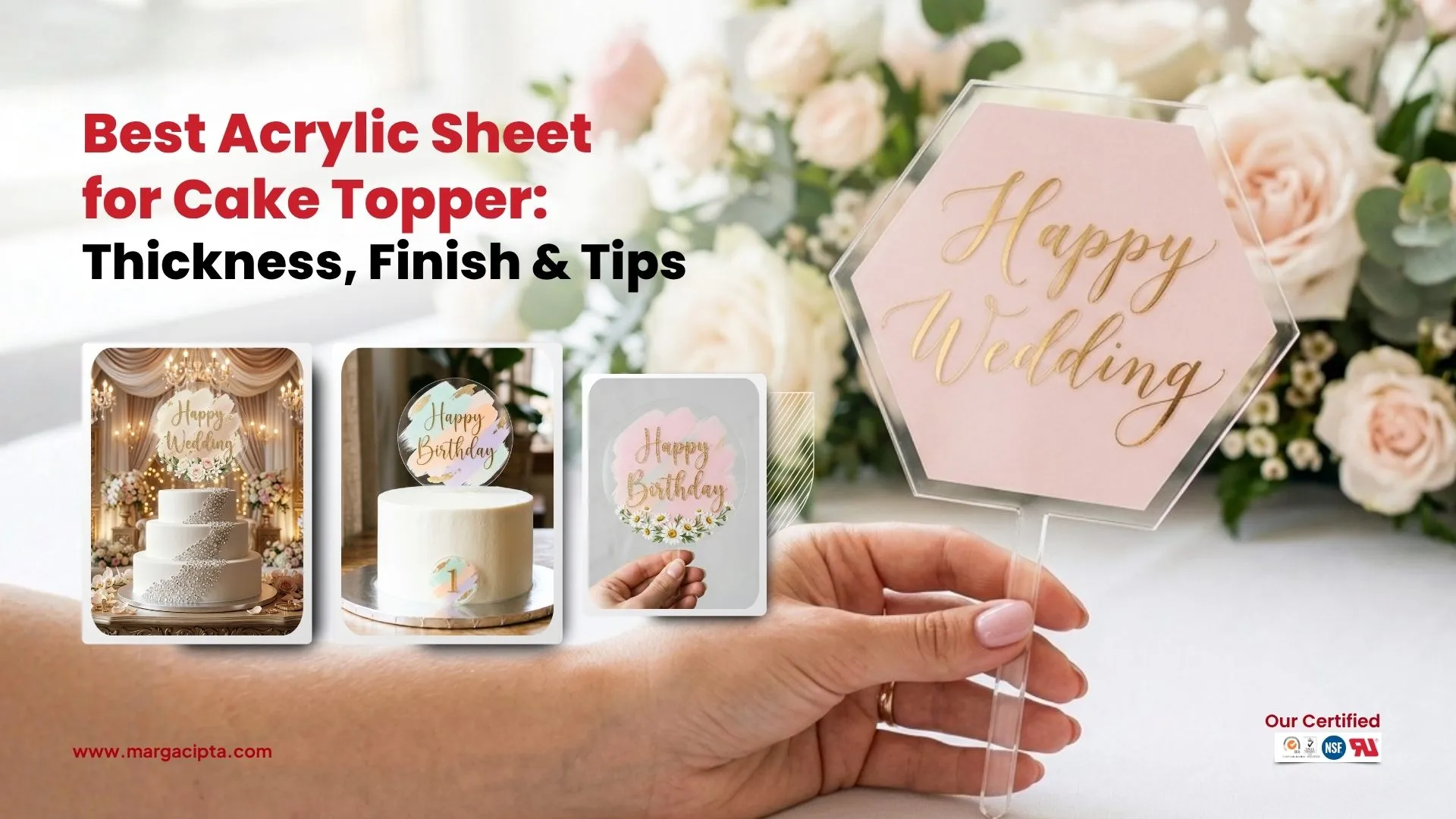
Read also: Best Acrylic Sheet for Cake Topper: Thickness, Finish & Tips

1. Choosing the Right Thickness

Thickness is another important factor when deciding what acrylic to use.

For most cake topper applications, a thickness of 2 mm to 3 mm is recommended. This range provides enough strength to hold its shape while still being easy to cut and handle.

If your design is larger or more complex, opting for 3 mm acrylic can provide additional stability. Thinner sheets may bend, while thicker ones can be harder to work with.

2. Selecting the Right Finish

The finish of the acrylic sheet will influence the final look of your cake topper.

Clear acrylic is the most versatile option, offering a modern and elegant appearance. It is ideal for weddings, corporate events, and minimalist designs.

Colored acrylic sheets are perfect for creating bold and eye-catching toppers. Popular choices include black, white, gold, and pastel shades.

Frosted acrylic is another option for achieving a soft, diffused look, while mirrored acrylic can add a luxurious touch.

3. Compatibility with Fabrication Methods

When deciding what acrylic to use for cake topper production, it is important to consider your fabrication method.

Laser cutting is the most commonly used technique, and high-quality acrylic sheets will ensure precise cuts and smooth edges. Acrylic also works well with UV printing and engraving, allowing for customized designs and branding.

Choosing the right material ensures fewer defects and better overall results during production.

Read also: Acrylic Sheet for Display Stand: Best Thickness and Type to Use

Why Material Quality Matters

Using high-quality acrylic sheets is key to achieving consistent and professional outcomes. Low-quality materials may have uneven thickness, poor clarity, or be prone to cracking during cutting.

For businesses, investing in premium acrylic sheets helps maintain product quality and reduces waste during production.

Working with a trusted supplier ensures that you get reliable materials that meet your production standards.

Conclusion

Understanding what acrylic to use for cake topper projects comes down to selecting the right type, thickness, and finish. Cast acrylic with a thickness of 2 mm to 3 mm is generally the best choice for most applications.

By choosing high-quality acrylic sheets and using proper fabrication techniques, you can create cake toppers that are not only durable but also visually appealing and professional.

Still unsure what acrylic to use for your cake topper? Marga Cipta offers a wide range of high-quality acrylic sheets in various thicknesses and finishes to suit your project requirements.

Contact us at info@margacipta.com or our Instagram to order and get the best material for your production needs. 

News Release

What is Satin Acrylic? A Complete Guide to Its Look and Function

Satin acrylic is a type of acrylic sheet with a smooth matte surface that reduces glare while maintaining a clean and premium appearance.

It is commonly used for signage, interior design, displays, and decorative applications where a softer visual finish is preferred over high gloss.

Compared to standard glossy acrylic, satin acrylic provides a more subtle and elegant look while still offering the durability and fabrication flexibility of acrylic material.

What Makes Satin Acrylic Different?

The main difference between satin acrylic and regular acrylic lies in the surface finish.

Standard acrylic sheets usually have a glossy, reflective appearance. Satin acrylic, on the other hand, features a matte or low-sheen surface that diffuses light more evenly.

This creates:

  • Reduced reflections
  • Softer visual appearance
  • Better fingerprint resistance
  • More modern aesthetic

Because of these characteristics, satin acrylic is often selected for projects that require a premium and minimalistic look.

Read also: Best Acrylic Thickness for Ornaments: Size Guide for Perfect Results

Key Features of Satin Acrylic

Satin acrylic combines aesthetics with practical functionality.

Some of its main advantages include:

1. Reduced Glare

The matte surface helps minimize light reflection, making it suitable for brightly lit spaces.

2. Elegant Appearance

Its smooth satin finish creates a sophisticated and modern visual effect.

3. Better Fingerprint Resistance

Compared to glossy acrylic, fingerprints and smudges are less visible on satin surfaces.

4. Lightweight and Durable

Like other acrylic sheets, satin acrylic remains lightweight while offering good impact resistance.

Common Applications of Satin Acrylic

Satin acrylic is widely used across commercial and decorative industries.

Popular applications include:

  • Interior signage
  • Office branding panels
  • Decorative wall elements
  • Retail displays
  • Furniture accents
  • Partitions and privacy panels

Its clean appearance makes it especially popular for modern architectural and interior concepts.

Satin Acrylic vs Glossy Acrylic

Both materials offer unique advantages depending on the intended use.

Satin Acrylic

  • Matte appearance
  • Softer reflections
  • Premium minimal look
  • Better for modern interiors

Glossy Acrylic

  • Highly reflective finish
  • Stronger color vibrancy
  • More transparent appearance
  • Suitable for bold visual displays

The choice depends on whether the project prioritizes subtle elegance or vibrant visual impact.

Fabrication Compatibility

Satin acrylic sheets are compatible with various fabrication methods such as:

  • Laser cutting
  • CNC cutting
  • UV printing
  • Engraving

High-quality satin acrylic helps ensure:

  • Clean cutting results
  • Consistent surface texture
  • Better finishing quality

Proper handling during fabrication is important to preserve the matte surface appearance.

Read also: Best Acrylic Thickness for Plaque: Complete Guide for Durable Results

Why Material Quality Matters

Not all satin acrylic sheets deliver the same finish and consistency.

Premium-quality acrylic offers:

  • Uniform satin texture
  • Consistent thickness
  • Better durability during processing

For businesses and manufacturers, using high-quality materials helps improve production efficiency and final product appearance.

Marga Cipta supplies high-quality acrylic sheets in various finishes, including satin acrylic for fabrication and decorative applications.

Conclusion

Satin acrylic is an excellent material choice for projects that require a modern, elegant, and low-glare appearance.

With its matte finish, durability, and fabrication flexibility, satin acrylic is widely used for signage, interiors, and decorative applications. Choosing high-quality acrylic sheets helps ensure more professional and visually consistent results.

Ready to explore our cast acrylic options? At Margacipta Wirasentosa, we offer high-quality clear cast acrylic sheets from 100% virgin MMA in various thicknesses and custom sizes to fit your needs.

Reach out to our Instagram or download our Product Catalog for more information.

Acrylic Sheet for Interior Design: Modern Applications for 2026 | Marga Cipta

As we enter 2026, interior design trends continue to shift toward modern, minimalist concepts that emphasize durability, aesthetics, and efficiency.

One material that stands out in this movement is the acrylic sheet for interior design. With its clarity, versatility, and durability, acrylic has become a preferred choice among interior designers, architects, and business owners.

Marga Cipta, as the producer of MC® Cast Acrylic Sheet, offers high-quality acrylic solutions perfectly suited for residential, retail, hospitality, and large commercial projects.

Find out more about the reason acrylic will be the best solution for interior design and architecture.

1. Exceptional Clarity for Modern and Open Spaces

One of the strongest benefits of acrylic sheet is its exceptional optical clarity, which closely resembles glass but with superior durability and lighter weight.

In 2026, when open-concept spaces and natural lighting continue to dominate, acrylic becomes an ideal material for:

  • Transparent room dividers
  • Decorative wall panels
  • Minimalist shelving
  • Lighting covers and diffusers

These applications help create interiors that feel spacious, modern, and visually clean. Perfect for homes, studios, and showrooms.

Read also: Acrylic Application for Accessories: Stylish, Durable, and Versatile

2. Wide Color and Finishing Options for Creative Accents

Unlike traditional glass, MC® Acrylic Sheet is available in a wide range of colors, transparencies, textures, and finishes. This opens endless design possibilities for aesthetic interior features such as:

  • Colored wall panels
  • Reception backdrops
  • Retail product displays
  • Glossy, modern furniture

Acrylic is also highly workable. It can be heated, molded, and shaped into curves or custom forms, making it ideal for bold statement pieces and artistic installations.

3. High Durability for Commercial Environments

Commercial interiors require materials that are long-lasting, impact-resistant, and easy to maintain. Key durability advantages include:

  • Stronger impact resistance compared to glass
  • Does not shatter into dangerous pieces
  • Resistant to yellowing
  • Smooth surfaces that are easy to clean

These benefits make acrylic suitable for high-traffic environments such as retail stores, hotels, clinics, and public spaces.

Read also: Acrylic Usage Trends 2026: New Applications in Design and Industry

4. Cost-Efficient Option for Premium Aesthetic

Acrylic provides a premium, modern look at a more affordable cost than materials like tempered glass, marble, or metal. Many businesses, especially retail and SMEs, use acrylic sheet for:

  • Signage and brand displays
  • Product showcases
  • POP (Point of Purchase) displays
  • Decorative lighting elements

With its balance of aesthetics and durability, acrylic becomes a long-term investment for enhancing interior visuals.

5. Interior Design Trends Using Acrylic Sheet in 2026

Several acrylic-based design trends are expected to rise in popularity throughout 2026:

  • Modular acrylic furniture that is lightweight yet stylish
  • Acrylic LED panels for futuristic ambient lighting
  • Acrylic kitchen backsplashes that are sleek and easy to clean
  • Sustainable acrylic decor supporting eco-friendly design concepts

These trends reflect the increasing demand for efficient, modern, and sustainable materials.

Conclusion

With its clarity, versatility, and durability, it is no surprise that acrylic sheet for interior design continues to be a leading material in 2026.

MC® Cast Acrylic Sheet offers reliable quality that supports a wide range of interior projects, from homes to commercial buildings.

Whether you are designing a modern living space, a retail environment, or a commercial facility, acrylic sheets provide a stylish and efficient solution for today’s design needs.

Want to order? E-mail us at info@margacipta.com and get more information about our acrylic products.

Is Acrylic Waterproof? Understanding Its Water Resistance

Yes, acrylic is waterproof. Acrylic sheets do not absorb water and can maintain their structural integrity even when exposed to moisture, rain, or humid environments.

This water resistance is one of the reasons acrylic is widely used in applications ranging from signage and displays to aquariums and protective barriers.

However, understanding what "waterproof" means in the context of acrylic can help ensure the material is used appropriately.

What Does Waterproof Mean for Acrylic?

When people ask whether acrylic is waterproof, they typically want to know whether water can damage the material.

Acrylic's non-porous surface prevents water from penetrating the material, which means it does not:

  • Swell
  • Rot
  • Rust
  • Absorb moisture

This makes acrylic a reliable material for environments where water exposure is common.

Read also: Why Does Acrylic Become Brittle? Common Mistakes You Should Avoid

How Does Acrylic Perform in Wet Conditions?

Acrylic performs exceptionally well when exposed to water.

Unlike wood or certain composite materials, acrylic remains stable even after repeated contact with moisture.

It can be used in environments such as:

  • Outdoor installations
  • Bathrooms
  • Aquariums
  • Decorative water features
  • Protective covers

Its resistance to moisture helps preserve both appearance and functionality.

Is Acrylic Suitable for Outdoor Rain Exposure?

Yes. Acrylic is commonly used outdoors because it can withstand rain and humidity without deterioration.

When paired with its natural UV resistance, acrylic becomes an excellent option for:

  • Outdoor signage
  • Display panels
  • Architectural features
  • Protective barriers

High-quality acrylic sheets can maintain their clarity and performance for years in outdoor environments.

Acrylic vs Other Materials in Wet Environments

Compared to many traditional materials, acrylic offers several advantages.

Acrylic vs Wood

Wood can absorb water, expand, and deteriorate over time. Acrylic remains unaffected by moisture.

Acrylic vs Metal

Certain metals can rust when exposed to water. Acrylic does not corrode.

Acrylic vs Glass

Both materials resist water, but acrylic offers the added benefits of lighter weight and greater impact resistance.

Applications That Benefit from Acrylic's Water Resistance

Many industries rely on acrylic because of its ability to perform in wet environments.

Common examples include:

  • Aquariums
  • Splash guards
  • Outdoor signage
  • Retail displays
  • Interior partitions
  • Decorative installations

Its combination of water resistance and visual clarity makes it a versatile material for both functional and decorative uses.

Read also: What is Satin Acrylic? A Complete Guide to Its Look and Function

Does Water Affect Acrylic Over Time?

Water itself generally does not damage acrylic.

However, performance can be affected if acrylic is exposed to:

  • Harsh cleaning chemicals
  • Improper installation
  • Extreme mechanical stress

Using proper maintenance techniques helps preserve the material's appearance and durability.

Why Material Quality Matters

The quality of the acrylic sheet plays a significant role in long-term performance.

Premium acrylic typically offers:

  • Better clarity
  • More consistent thickness
  • Improved weather resistance
  • Enhanced durability

Marga Cipta supplies high-quality acrylic sheets suitable for applications that require durability, transparency, and reliable water resistance.

Conclusion

Is acrylic waterproof? Yes, acrylic is highly water-resistant and does not absorb moisture.

Its waterproof characteristics, combined with excellent clarity and durability, make it a preferred material for both indoor and outdoor applications.

By choosing high-quality acrylic sheets, businesses and fabricators can maximize performance in wet and humid environments.

Ready to explore our cast acrylic options? At Margacipta Wirasentosa, we offer high-quality clear cast acrylic sheets from 100% virgin MMA in various thicknesses and custom sizes to fit your needs.

Reach out to our Instagram or download our Product Catalog for more information.

It’s Been a Year! Have You Tried Our MC-Bond Aluminum Composite?

July 15, 2019 mcwsi


About one year ago, PT MARGACIPTA announced the launch of its new line of aluminum composite panels (ACP) in the U.S. market under the MC-Bond brand name. The price is right and MC Bond continues gain new customers who are in turn finding NEW CUSTOMERS!


MC-Bond is the result of years of technical and marketing research to determine the right product mix worthy of the high level of customer service and top quality products associated with the MARGACIPTA brand. Economical, high impact resistant, easy maintenance, noise absorbing, smooth surface and unlimited color varieties – whether you are looking for new or existing indoor or outdoor applications – MARGACIPTA and our MC-Bond product is your ACP partner.

Contact Us or Your Account Rep for More Details and Pricing

MC-Bond